
How to Interview Your Parents About Their Childhood
Some links on this blog may contain affiliate links. If you make a purchase through one of these links, I may earn a small commission at no extra cost to you. Thank you for supporting The Connected Years!
Have you ever listened to your parents tell a childhood story and wished you could ask more questions? Their early years hold experiences, traditions, funny moments, and lessons you may never hear otherwise.
Learning how to interview your parents about their childhood doesn’t require professional equipment or a formal setup. You need curiosity, preparation, and enough time to listen without rushing. You might talk over tea, sit together after dinner, or arrange a relaxed phone call if you live far apart.
Start by explaining why you want to hear their stories. Perhaps you want to understand your family’s history, preserve memories for younger relatives, or learn more about the people your parents were before you knew them. Let them choose which memories they feel comfortable sharing, and allow the conversation to move naturally.
Prepare questions about their homes, schools, friendships, favourite activities, family celebrations, and memorable places. However, don’t treat the interview like a checklist. Follow interesting details with gentle questions, give them time to think, and enjoy the stories that emerge. Some memories may bring laughter, while others may feel personal. Respect their boundaries and let them decide what they want to discuss.
For more conversation starters, explore these questions to ask your parents. They can help you begin meaningful discussions beyond childhood memories.
In this guide, you’ll learn how to interview your parents about their childhood, prepare thoughtful questions, record their stories with permission, and preserve memories your family may treasure for years.
Why Interview Your Parents About Their Childhood?
Your parents had full lives long before you came along. They had favourite places, close friendships, school experiences, family routines, personal interests, and dreams of their own.
An interview gives you an opportunity to discover those stories. You may learn how they spent weekends, what they enjoyed eating, or which childhood games filled their afternoons.
You might also discover family traditions that nobody has explained properly. A familiar recipe, an annual celebration, or a family saying may have a much longer story behind it.
These conversations can also help you understand your family’s history. You can learn about relatives, neighbourhoods, important events, and experiences that shaped your family’s traditions.
However, the purpose isn’t to investigate every detail or collect perfect answers. Think of it as an opportunity to spend time together and listen with genuine interest.
How to Interview Your Parents About Their Childhood
1. Explain Why You Want to Interview Them

Before asking your first question, explain what inspired the conversation. Your parents should understand that you want to hear their stories, not put them under pressure.
You could tell them that you’re creating a family history collection. Perhaps you want to preserve stories for younger relatives or simply learn more about their childhood.
Keep your explanation natural. You don’t need a formal speech or a detailed presentation.
For example, you might say, “I’ve realised there are so many things about your childhood I don’t know. I’d love to hear some of your stories.”
You can also ask whether they would enjoy having a conversation about their early years. Let them suggest a suitable time and place.
If they prefer an informal chat, follow that direction. You can still gather meaningful stories without calling it an interview.
2. Choose a Comfortable Time and Place

Choose a setting where everyone can relax and hear one another clearly. A quiet afternoon at home, a weekend breakfast, or a relaxed evening could work well.
You might sit in the living room, enjoy a cup of tea, or look through photographs together. Familiar surroundings can help the conversation feel natural.
If you live far apart, arrange a phone or video call. You can also divide the interview into shorter conversations across several days.
Avoid scheduling the conversation when either person feels rushed. Give yourselves enough time to explore interesting memories without watching the clock constantly.
You can also ask whether your parent would prefer speaking privately or with another family member present. Some people enjoy sharing stories with an audience, while others prefer one-on-one conversations.
3. Prepare Your Childhood Interview Questions

Preparing questions helps you avoid running out of things to discuss. It also gives you a useful starting point when the conversation begins.
Write your questions in a notebook or save them on your phone. Organise them into topics so you can move naturally between different parts of childhood.
Start with simple questions about home, school, friendships, hobbies, and family routines. Then explore specific memories that interest you.
You don’t have to ask every question. Choose the ones that suit your parent’s experiences and follow the conversation naturally.
For additional inspiration, explore questions to ask your parents before it’s too late. You can adapt the prompts to focus on childhood and family history.
4. Ask About the Home Where They Grew Up
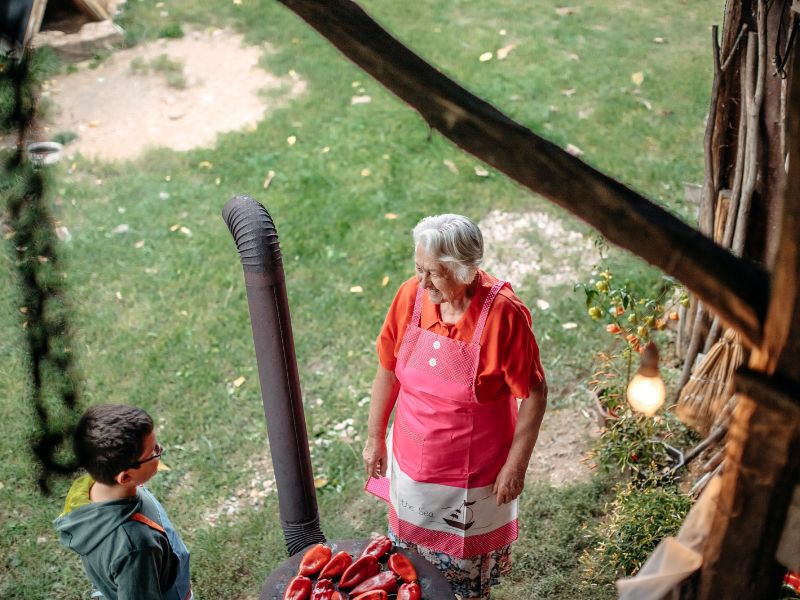
A childhood home can reveal plenty about everyday family life. Ask your parents to describe the house, flat, compound, or neighbourhood where they spent their early years.
You could ask:
- What did your childhood home look like?
- Which room did you enjoy spending time in?
- Did you share a bedroom with anyone?
- What did the kitchen or living room look like?
- Was there a special place where everyone gathered?
- What sounds or smells remind you of that home?
- Did your family move while you were growing up?
Encourage them to describe small details. Perhaps they remember a particular garden, a favourite chair, a nearby shop, or the sound of neighbours outside.
You can also ask whether they have photographs of the home. If the building still exists, you might explore the area together during a future visit.
5. Find Out What Their Childhood Days Looked Like
Daily routines often reveal the most interesting details. Ask your parents how they spent an ordinary weekday or weekend.
Find out when they woke up, what they ate, how they travelled, and what they did after school.
Try questions such as:
- What time did you usually wake up?
- What did you eat for breakfast?
- How did you spend your afternoons?
- Did you have household responsibilities?
- What did weekends look like?
- Which chores did you enjoy or dislike?
- What did your family usually do together?
You might discover routines that differ from your own. Perhaps they walked to school, helped prepare meals, visited relatives, or spent afternoons playing outside.
Don’t compare their experiences with today’s routines as though one was better. Simply enjoy learning how their everyday lives unfolded.
6. Ask About School and Favourite Subjects
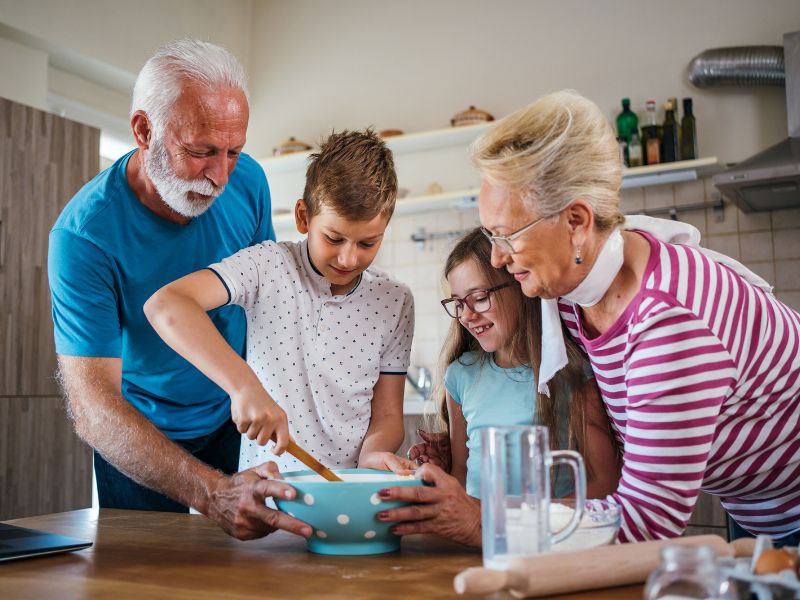
School memories can lead to lively conversations. Ask your parents where they studied and what they remember about their classrooms, teachers, and classmates.
You could explore questions like these:
- What was your first school called?
- Which subject did you enjoy most?
- Did you have a favourite teacher?
- What did you usually take to school?
- How did you get there?
- What games did you play during breaks?
- Did you participate in school events?
- What is one school memory you still remember clearly?
Ask whether they kept report cards, certificates, notebooks, or school photographs. These items can add details to the stories they share.
If they mention a favourite subject, ask what made it interesting. You may discover a talent or interest that continued into adulthood.
7. Discover Their Childhood Friendships
Friendships often form a memorable part of growing up. Ask your parents about the people they spent time with and the activities they enjoyed together.
Find out whether they had a best friend, belonged to a group, or regularly visited neighbours.
Possible questions include:
- Who was your closest childhood friend?
- How did you meet?
- What did you enjoy doing together?
- Did you visit each other’s homes?
- Did you keep in touch after school?
- What made your friendship special?
- Do you remember a funny experience you shared?
If your parents remember their friends’ names, write them down. You might even discover family connections that still exist today.
Ask whether they have photographs or letters from those friendships. These details can help you preserve the people and relationships that mattered to them.
8. Talk About Childhood Games and Hobbies

Find out how your parents entertained themselves when they had free time. Their answers might introduce you to games, hobbies, and activities you haven’t tried before.
Ask whether they enjoyed football, dancing, reading, drawing, sewing, music, or outdoor games.
You could ask:
- What games did you play with friends?
- Did you have a favourite toy?
- What hobbies did you enjoy?
- Did you collect anything?
- What did you do during school holidays?
- Did you enjoy making things?
- Which activity could keep you busy for hours?
Some parents may remember games that their children and grandchildren would enjoy trying. You could even organise a family afternoon around one of those activities.
For more inspiration, explore 17 meaningful ways to spend quality time with your grandparents. Some activities can inspire lovely family conversations and shared experiences.
9. Learn About Their Favourite Childhood Foods
Food can bring back powerful memories. Ask your parents what they enjoyed eating as children and which meals appeared regularly at home.
You could ask about breakfast, school snacks, weekend meals, desserts, and special celebration dishes.
Try these prompts:
- What was your favourite childhood meal?
- Who usually prepared the food?
- Did you have a favourite snack?
- What did your family eat during celebrations?
- Was there a dish you disliked?
- Did you ever help in the kitchen?
- Which food reminds you of home?
If they mention a special dish, ask whether they can teach you how to prepare it. Write down the ingredients and instructions as they explain them.
You could also cook the meal together during another visit. This turns an interview into an experience that everyone can enjoy.
10. Ask About Family Celebrations and Traditions

Family traditions often begin with small activities that people repeat over many years. Ask your parents which celebrations mattered most during childhood.
Explore birthdays, cultural celebrations, weddings, holidays, reunions, and family gatherings that mattered to your family.
Ask questions such as:
- How did your family celebrate birthdays?
- What happened during major holidays?
- Did relatives gather regularly?
- Were there special foods for celebrations?
- Did your family have annual traditions?
- Which celebration do you remember most clearly?
- Are there traditions you’d like our family to continue?
You might discover why your family prepares a particular dish or follows a familiar celebration routine.
You can also ask how your family celebrated Christmas across different generations. This guide to Christmas activities across generations offers ideas for bringing family members together during the festive season.
11. Find Out What Music, Books, and Entertainment They Loved
Ask what your parents enjoyed listening to, reading, watching, or attending. Their favourite entertainment can reveal a lot about their interests.
Find out which musicians they followed, which books they read, and which films or television programmes they enjoyed.
You might ask:
- What songs did you listen to as a child?
- Did you have a favourite singer?
- What books or stories did you enjoy?
- Did your family listen to the radio?
- What entertainment did you enjoy with friends?
- Did you attend concerts or community performances?
Ask them to share a few favourite songs. You can create a playlist and listen together during another visit.
You could also organise a family movie evening inspired by their favourite films. These ideas for a cozy family movie night with parents and grandparents can help you plan a relaxed gathering.
12. Explore Their Childhood Dreams and Ambitions

Children often imagine many possibilities for their futures. Ask your parents what they wanted to become and which interests captured their attention.
You could ask:
- What did you dream of becoming?
- Did you have a favourite role model?
- Which activities made you feel excited?
- Did you imagine travelling somewhere?
- What skills did you want to learn?
- Did your interests change as you grew older?
Listen without judging whether those dreams became reality. The purpose is to understand what interested them at that time.
You might discover an artistic talent, a love of business, an interest in science, or a passion for helping others.
Ask whether any childhood interests still influence their lives today. Their answers may reveal connections you never noticed.
13. Ask About Their Childhood Neighbourhood

A neighbourhood can hold memories beyond the family home. Ask your parents about nearby shops, playgrounds, streets, markets, parks, and community spaces.
Find out where children gathered and which places they visited regularly.
Try questions like:
- What was your neighbourhood like?
- Did you know your neighbours?
- Where did children usually play?
- Was there a favourite shop nearby?
- Did your family attend local events?
- Which place do you remember most?
- Has the neighbourhood changed?
If the location still exists, consider visiting together. Your parent can point out familiar places and share stories connected to them.
You could take photographs and record the names of important locations. These details will make your family history more specific and memorable.
14. Discuss Memorable Childhood Adventures
Ask your parents about trips, celebrations, unexpected experiences, and ordinary adventures that became special memories.
These stories don’t need to involve expensive holidays. A visit to relatives, a school excursion, or a day at a local market may hold plenty of meaning.
Ask:
- What was your favourite childhood outing?
- Did you ever travel with your family?
- Which relative’s home did you enjoy visiting?
- What is the funniest adventure you remember?
- Did anything unexpected happen during a trip?
- Which place would you love to visit again?
Let them take their time when describing the details. Follow up with questions about the people, places, and feelings connected to each story.
You can also ask whether any photographs or souvenirs remain from those experiences.
15. Ask About Family Members and Relatives

Your parents may remember relatives whose stories haven’t reached younger generations. Ask about grandparents, aunts, uncles, cousins, and other important family members.
Find out what those relatives were like and how everyone interacted.
Questions might include:
- Which relatives did you spend the most time with?
- What do you remember about your grandparents?
- Did your extended family gather often?
- Were there family members who taught you special skills?
- Which relative made you laugh?
- Are there family stories you think we should preserve?
Write down names carefully, especially when several relatives share similar names. Ask about relationships and spellings whenever you’re unsure.
You can use these conversations to begin a simple family tree. Add photographs and short descriptions as your parents share more information.
16. Invite Them to Share Funny Childhood Stories
Not every interview needs serious questions. Funny memories can make the conversation lively and help everyone enjoy the experience.
Ask about harmless mischief, embarrassing school moments, playful competitions, and unexpected surprises.
You could say:
- What was the funniest thing you did as a child?
- Did you ever play a harmless prank?
- What made your friends laugh?
- Did you have an unusual nickname?
- What was your most memorable school mishap?
- Did you ever get caught doing something funny?
Laugh together when a story makes you smile. However, don’t push for details if your parent seems uncomfortable.
You can also share a funny childhood memory of your own. This makes the interview feel like a conversation rather than a series of questions.
17. Discuss Changes They Have Witnessed
Ask your parents how everyday life changed during their childhood and later years. Focus on the experiences they personally remember.
You could discuss transport, communication, entertainment, shopping, school routines, and household activities.
Ask questions such as:
- How did people keep in touch?
- What did children use for entertainment?
- How did families shop for everyday items?
- What transport did people commonly use?
- Which changes surprised you most?
- What everyday activity do you remember fondly?
Avoid turning the conversation into a debate about whether one generation had a better childhood. Every period has its own experiences, opportunities, and challenges.
Instead, listen to how your parents describe the changes they witnessed.
18. Ask Which Childhood Memories They Still Treasure
Towards the end of the interview, invite your parents to choose the memories that matter most to them.
You could ask:
- Which childhood memory makes you smile?
- What experience would you love to relive?
- Who made your childhood special?
- Which family tradition means the most to you?
- What story do you enjoy telling?
- Is there anything about your childhood you’d like younger relatives to understand?
Let them choose the direction of this part of the conversation. Their answers may lead to stories you didn’t expect.
If they want to share more, give them space. You don’t need to fill every pause with another question.
19. Ask Whether They Want to Add Anything
Before ending the interview, give your parents an opportunity to share something you haven’t discussed.
You might ask, “Is there a childhood story I haven’t asked about that you’d love to tell?”
They may remember a person, event, or experience that doesn’t fit your prepared questions.
You can also ask whether they would like to share photographs, documents, recipes, or other keepsakes later.
Thank them for sharing their time and memories. Let them know how much you appreciate hearing their stories.
How to Record and Preserve Your Parents’ Childhood Stories
An interview becomes even more useful when you organise the stories afterwards. You don’t need expensive equipment or complicated software.
Record the Conversation With Permission
You can use a phone, voice recorder, or video call recording feature. Ask for permission before recording, and explain how you plan to use the recording.
Test the microphone before starting. Choose a quiet room and place the device somewhere that captures both voices clearly.
If your parent prefers not to record, take written notes instead. Their comfort should always come first.
Write Down Important Details
Keep a notebook nearby and record names, dates, locations, and interesting details. You don’t need to write every word during the conversation.
Afterwards, expand your notes while the memories remain fresh. Mark any details you want to confirm during another conversation.
Collect Photographs and Family Keepsakes
Ask whether your parents have photographs, letters, school certificates, recipes, or other items connected to their childhood.
Photograph important items with their permission. Add short descriptions explaining who appears in each picture and what the item represents.
You can also scan printed photographs and save digital copies. Keep the original items safe and return them to their owners.
Create a Digital or Printed Family Storybook
Organise the interview into sections such as home, school, friendships, hobbies, food, and family traditions.
Add photographs and short explanations where they help tell the story. You can create a digital document or print a small family book.
Consider sharing a copy with relatives who would appreciate the memories. Ask your parents which stories and photographs they feel comfortable sharing.
Check Details Without Changing Their Stories
Memories may include dates or names that need clarification. Ask follow-up questions rather than correcting details based on assumptions.
You can compare information with family documents when everyone agrees. However, keep your parents’ own recollections distinct from details you confirm elsewhere.
The goal is to preserve their experiences honestly, not produce a perfect historical record.
What to Do If Your Parents Find Certain Questions Difficult
Some childhood memories may feel personal or complicated. Your parents may prefer to skip certain subjects, and that’s completely fine.
Don’t Push for Answers
If a question makes someone uncomfortable, move to another topic. You can say, “That’s okay. We can talk about something else.”
Never make your parent feel they must explain every part of their childhood.
Let Them Control What They Share
Your parents decide which memories they want to discuss. They can pause the conversation, skip questions, or end the interview whenever they wish.
Respect their choices without making them feel guilty.
Avoid Making Assumptions
Don’t assume every childhood involved the same experiences. Your parents may have grown up in a different household, community, or set of circumstances.
Listen to their individual stories instead of comparing them with other families.
Keep Private Stories Private
Ask before sharing recordings, photographs, or personal details with relatives. Some stories may belong in a private family collection rather than a public post.
If you plan to publish any part of the interview, obtain clear permission first.
How to Make the Interview Feel Like a Family Activity
You can make the experience enjoyable by combining questions with activities everyone already likes.
For example, prepare a favourite meal while discussing childhood food memories. You could also look through photographs, listen to old songs, or visit a familiar neighbourhood.
If you have children, invite them to ask a few questions too. This can help younger family members discover stories about their parents and grandparents.
You might arrange a family storytelling afternoon during a holiday gathering. If you’re planning a festive get-together, these Christmas gift ideas for Grandma may inspire a thoughtful way to celebrate someone who shares family stories.
You can also make the finished interview part of a meaningful family gift. A printed collection of stories and photographs can accompany these heartwarming Christmas gift ideas for Grandma when you’re planning a family celebration.
If you want more inspiration for shared family experiences, explore 27 meaningful activities to do with your parents. You could choose an activity to enjoy after completing your interview.
For families who prefer spending time at home, these things to do with parents who don’t like going out offer more ways to enjoy relaxed conversations and shared activities.
You could also turn the interview into an annual family tradition. These 29 family birthday traditions worth starting offer ideas for making family celebrations more meaningful.
The most important part is making everyone feel included. Let the conversation develop naturally, and don’t worry about following a strict schedule.
Frequently Asked Questions
What questions should I ask my parents about their childhood?
Ask about their childhood home, school, friendships, hobbies, favourite foods, family traditions, and memorable experiences. Include open-ended questions that encourage detailed stories rather than short answers.
How do I start interviewing my parents about their childhood?
Explain why you want to hear their stories and ask whether they’d enjoy a conversation. Choose a comfortable setting and begin with simple questions about their home or everyday routines.
How long should a childhood interview last?
There isn’t a fixed length. You could have a 20-minute conversation or spend an afternoon exploring several topics. Let your parent’s interest and comfort guide the timing.
Should I record my parents while interviewing them?
Recording can help preserve their exact words, but always ask permission first. If they prefer not to record, take notes or write the stories afterwards.
What if my parents don’t remember certain childhood details?
Don’t worry if they cannot remember everything. Move to another question, look through photographs together, or revisit the topic during another conversation.
Can I interview both parents together?
Yes, if they both enjoy the idea. Their stories may bring out shared memories, different perspectives, and details one person remembers differently. You can also interview them separately for more individual conversations.
How can I preserve my parents’ childhood stories?
Save recordings, write transcripts, collect photographs, and organise important details into a family history document. Ask permission before sharing personal stories with other relatives.
Final Thoughts
Learning how to interview your parents about their childhood gives you a chance to discover stories you may never have heard before.
You might learn about their favourite school subjects, childhood friendships, family recipes, or the places they loved visiting. Even ordinary routines can reveal interesting details about your family’s history.
You don’t need to ask every question in one sitting. Start with a few topics, listen carefully, and let your parents guide the conversation.
Most importantly, enjoy the time you spend together. Their stories deserve attention, and your curiosity can create a meaningful opportunity for connection.
Whether you save the conversation in a notebook, record their voices, or create a family storybook, make the experience comfortable for everyone. One day, those little details may become some of your family’s most treasured memories.