
Questions to Ask Your Parents Before It’s Too Late
Some links on this blog may contain affiliate links. If you make a purchase through one of these links, I may earn a small commission at no extra cost to you. Thank you for supporting The Connected Years!
As children, we often think of our parents as the people who know everything. They guide us through childhood, teach us important lessons, share family traditions, and help us navigate life’s difficult moments. Yet as we grow older, we may realize how much we still don’t know about their lives, dreams, struggles, and experiences before we came along.
Asking questions to ask your parents before it’s too late is about more than collecting family history. It is about understanding the people behind the roles they have played in our lives. You may know your mother’s favourite meal or your father’s favourite football team, but have you asked what made them feel most alive when they were young? Do you know which life decisions they would make again, or what they hope future generations will remember about them?
These conversations do not need to feel like formal interviews or emotional interrogations. A quiet afternoon, a family meal, a long drive, or a phone call can create the perfect opportunity to ask one thoughtful question. Some answers may surprise you, while others may bring laughter, comfort, or a deeper appreciation for your family’s story. Most importantly, there is no need to wait for a special occasion. Start with curiosity, listen without judgment, and let the conversation unfold naturally.
You can also refer back to this guide on How to Spend Quality Time With Your Grandparents: 17 Meaningful Ideas.
Why These Conversations Matter More Than We Realize
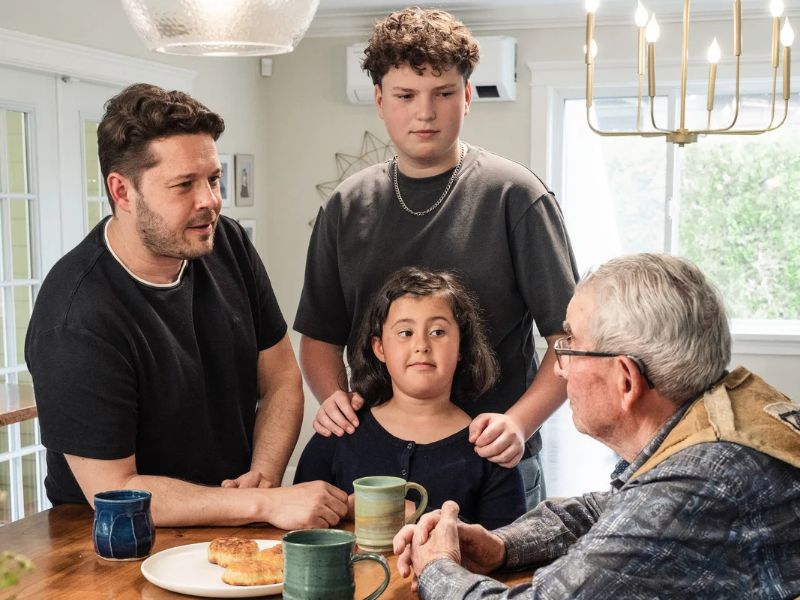
Life gets busy, and conversations with our parents can easily become focused on everyday responsibilities. We discuss work, children, bills, appointments, family plans, and household matters. Although these conversations are necessary, they do not always help us understand our parents on a deeper level.
Taking time to ask meaningful questions allows us to see them as individuals with their own childhood memories, ambitions, disappointments, and hopes. Their experiences may explain family traditions, certain decisions, or values they have passed down through generations.
These conversations can also strengthen relationships. You might discover that you share more similarities than you realized. You may learn about challenges your parents overcame or understand why particular experiences shaped their outlook on life.
There is another reason these conversations matter. Our opportunities to ask questions can change unexpectedly. Parents may become less able to share their stories as time passes, and family memories can become harder to preserve. Starting these conversations now gives you more opportunities to listen, learn, and record what matters.
Read this guide on How to Plan the Perfect Christmas Activities Across Generations to help you prepare for the next family celebration.
Still, there is no need to approach every conversation with sadness or urgency. Think of this as an opportunity to connect with your parents while enjoying the time you have together.
Questions About Their Childhood and Growing-Up Years

Your parents had entire lives before becoming parents. They had friends, favourite places, childhood dreams, embarrassing moments, and experiences that helped shape their personalities.
Asking about their early years can reveal stories you have never heard. You might also discover family details that have been passed down incorrectly or forgotten over time.
Start with lighthearted questions before moving into more personal memories. Looking through old photographs can help conversations flow naturally.
What was your childhood like?
This open-ended question gives your parents room to describe their upbringing in their own words. One parent might remember a lively household filled with siblings, while another may recall a quieter childhood.
Ask what their neighbourhood looked like, what games they played, and how they spent their afternoons. You might discover how children entertained themselves before smartphones, streaming services, and modern gaming became common.
You can also ask what they enjoyed most about being young. Their answers may introduce you to places, traditions, or activities that your family could revisit together.
What is your happiest childhood memory?
Everyone has memories that bring a smile, although those memories may not involve expensive gifts or extraordinary events.
Your parents might remember a family celebration, a school achievement, a favourite meal, or an afternoon spent with someone special. Ask what made that moment memorable and who was there.
If they share a story involving a relative you never met, consider recording the details. These memories can help you understand the people who contributed to your family’s history.
Who was your closest friend growing up?
Friendships often reveal a different side of someone’s personality. Ask your parents about the people they spent time with, the adventures they shared, and the lessons they learned from those relationships.
You might hear funny stories about school, neighbourhood games, or youthful mistakes. If your parents still have photographs or letters from old friends, ask if they would enjoy sharing them.
These conversations can also remind you that your parents once had their own social worlds, independent of family responsibilities.
What did you want to become when you were young?
Children often imagine many possible futures. Some dreams change with time, while others remain important even when life takes a different direction.
Ask your parents what careers or lifestyles they imagined for themselves. Find out whether they pursued those dreams and what influenced their choices.
Their answers may help you understand the opportunities and limitations they faced growing up. They may also reveal interests or ambitions that still bring them joy today.
What was your family home like?
Ask your parents to describe the house or neighbourhood where they spent their childhood. Find out where everyone gathered, what meals were common, and which household routines they remember most clearly.
If they grew up with grandparents or extended family nearby, ask how those relationships shaped daily life.
You may discover traditions worth bringing into your own household. A familiar recipe, a childhood game, or a family celebration could become a new way to connect across generations.
Questions About Love, Relationships, and Family

Our parents’ experiences with love and relationships can teach us about their values, expectations, and understanding of commitment.
These conversations may be especially meaningful when you ask with genuine curiosity instead of expecting a particular answer. Every relationship has its own history, and your parents may have different experiences or perspectives.
How did you meet your partner?
If your parents are together or have a partner they would like to discuss, ask how their relationship began.
Find out where they met, what their first impressions were, and what made them want to know each other better. You might discover amusing misunderstandings, unexpected circumstances, or details about their early dates.
If your family has wedding photographs, letters, or keepsakes, this could be a lovely time to revisit them.
For parents who have experienced divorce, separation, or bereavement, be sensitive to their circumstances. Let them decide which parts of their relationship history they feel comfortable sharing.
What did love mean to you when you were younger?
Ideas about love can change as people gain experience. Your parents may describe what they believed about relationships in their twenties compared with what they understand now.
Ask what helped them recognize a healthy relationship and what they wish they had understood earlier.
Their answers may offer useful perspectives without requiring you to agree with every belief they hold. The aim is to understand their experiences and learn from their reflections.
What have you learned about keeping a relationship strong?
Long-term relationships can involve patience, communication, compromise, and changing responsibilities.
Ask your parents which habits helped them maintain important relationships. They might mention listening carefully, respecting differences, apologizing, or making time for one another.
You can also ask what they found most challenging. Their experiences may help you think about your own relationships and the qualities you want to nurture.
Which family traditions have meant the most to you?
Some traditions become important because they connect relatives across different stages of life.
Your parents might treasure shared meals, religious celebrations, annual visits, birthday rituals, or simple weekend routines. Ask why these traditions matter and how they began.
If a tradition is meaningful to your family, consider finding a way to continue it. You could recreate a favourite meal, invite relatives to share old photographs, or introduce the tradition to younger family members.
These small acts can help preserve the emotional connections behind family customs.
Questions About Parenthood and Raising a Family

Parents often spend years caring for their children, yet conversations about parenthood can remain surprisingly limited.
Asking about their experiences may help you understand the decisions they made, the responsibilities they carried, and the things they learned along the way.
What surprised you most about becoming a parent?
Parenthood rarely unfolds exactly as people imagine. Your parents may remember unexpected responsibilities, joyful discoveries, or moments when they felt unsure about what to do.
Ask what they found easier or harder than expected. You might learn about the support they received, the challenges they faced, and the ways becoming a parent changed their priorities.
These stories can help you appreciate their experiences without assuming they had everything figured out.
What was the hardest part of raising children?
This question deserves a gentle approach because some memories may be emotional.
Your parents might talk about financial pressure, balancing work and family, worrying about their children’s safety, or making difficult decisions without much guidance.
Listen without immediately defending your childhood experiences or judging their choices. Understanding their perspective does not mean every decision was perfect.
If you have questions about a difficult family experience, consider discussing it separately and respectfully rather than turning a relaxed conversation into a confrontation.
What are you most proud of about our family?
This question invites your parents to reflect on what they value most.
They might mention the relationships between siblings, the resilience shown during difficult times, educational achievements, or the way family members support one another.
Their answers may reveal values they hope future generations will continue.
You can also share what you appreciate about your family. These exchanges can become meaningful reminders of the love and effort that have shaped your relationships.
Is there anything you wish you had done differently as a parent?
This question may lead to an honest conversation about regrets, lessons, and changing perspectives.
Your parents might describe decisions they would approach differently today or explain what they learned through experience. They may also express satisfaction with choices that were difficult at the time.
Give them room to reflect without expecting a particular confession or apology. Not every parent will want to discuss regrets, and that boundary deserves respect.
The most valuable part of the conversation may be what everyone learns about growth, forgiveness, and the complexity of raising a family.
Questions About Life Lessons and Personal Values

Our parents often pass down advice through everyday comments, household rules, and decisions. Yet some of their most important lessons may never have been discussed directly.
Asking about their values can help you understand the principles that guide their lives.
What is the most important lesson life has taught you?
This question can lead to a thoughtful conversation about responsibility, relationships, perseverance, or personal growth.
Your parent may explain a lesson learned through a difficult experience or describe something they understood only after many years.
Ask what changed their perspective and how they try to apply that lesson today.
You might discover advice that becomes useful during your own challenges. Even when your circumstances differ, the reasoning behind their experiences may offer a fresh way to think about a problem.
What advice would you give your younger self?
Looking back can help people recognize what truly mattered and what caused unnecessary worry.
Your parents might say they would take more chances, spend less time worrying about other people’s opinions, protect their health, or appreciate ordinary moments more often.
Ask what they would change and what they would keep exactly as it was.
This conversation can also open a discussion about the pressures people faced in different generations. You may discover that some worries have changed while others remain remarkably familiar.
What do you believe makes a good life?
The answer may be different from what you expect.
Your parents might value close relationships, meaningful work, financial security, faith, personal freedom, service to others, or the ability to enjoy simple pleasures.
Ask whether their definition of a good life has changed over time. Find out which experiences helped them recognize what mattered most.
These conversations can help family members appreciate different priorities without treating one person’s answer as the only correct one.
What would you like our family to remember?
This question invites your parents to identify the values, stories, or experiences they hope will continue through future generations.
They may want the family to remember a particular tradition, the importance of helping others, or the sacrifices made by earlier relatives.
If they mention something specific, ask how you can help preserve it. You could record a story, write down a recipe, organize photographs, or share the memory with younger family members.
These small actions can turn a conversation into something the family continues to treasure.
Questions About Dreams, Regrets, and Unfinished Plans

As people grow older, their ideas about success, happiness, and opportunity may change. Asking about their dreams can help you understand what still excites your parents and what they have learned from the paths they chose.
Approach these questions with sensitivity. A conversation about regret should never become an exercise in making someone feel that their life was a failure.
Is there something you have always wanted to try?
Your parent may have a hobby, destination, skill, or experience they have never had the opportunity to explore.
Perhaps they want to learn an instrument, visit a particular place, return to painting, or spend more time gardening.
If the idea is realistic and they are interested, you could help them take a small step toward it. Look for a local class, plan a suitable outing, or spend an afternoon exploring the hobby together.
The goal is not to turn every wish into a major project. Sometimes, a little encouragement can make an old interest feel possible again.
What is one decision that changed your life?
Some life-changing decisions are obvious, such as choosing a career or moving to a new place. Others may involve meeting a particular person, accepting an opportunity, or deciding to take a different direction.
Ask what influenced the decision and what happened afterward. Your parents may explain how they handled uncertainty or what they learned from the outcome.
These stories can reveal how much of a person’s life is shaped by circumstances, choices, and unexpected opportunities.
Is there anything you wish you had spent more time doing?
This question may reveal priorities that became clearer with age.
Your parent might wish they had travelled more, maintained friendships, pursued a creative interest, or spent more time with relatives.
Listen without assuming they are unhappy with their life. Reflection can be valuable even when someone feels content with their choices.
You could also ask what they are glad they made time for. That follow-up helps balance the conversation and highlights experiences they continue to value.
What are you still looking forward to?
Not every meaningful question needs to focus on the past.
Ask what your parents hope to experience in the coming months or years. They might look forward to a family wedding, a grandchild’s milestone, a holiday, a garden project, or a simple gathering with friends.
Their answers can help you understand what brings them excitement now.
If possible, find a way to support something they are looking forward to. Planning a shared activity can create another opportunity to spend time together.
Questions About Family History and Loved Ones

Family history is often carried through stories told at gatherings, comments made while looking through photographs, and memories shared between relatives.
Unfortunately, details can become difficult to recover when nobody has written them down. Asking your parents about earlier generations helps preserve information that might otherwise disappear.
What do you remember about your parents and grandparents?
Ask your parents to describe their own parents and grandparents as individuals.
What were their personalities like? What work did they do? What did they enjoy? Which sayings, recipes, or traditions did they pass down?
These questions can help younger generations connect with relatives they never had the chance to meet.
If your parents remember family names, places, or important dates, write them down. You can gradually use these details to build a family tree or organize a collection of family photographs.
Are there family stories you think we should preserve?
Some families have stories about migration, education, marriage, community involvement, difficult periods, or remarkable achievements.
Ask which stories your parents consider important and why they deserve to be remembered.
You may discover that an ordinary-looking photograph represents a major family milestone or that a familiar tradition began under unexpected circumstances.
If your parents are comfortable, record their accounts or ask them to help label photographs. Check names and dates where possible, and distinguish remembered details from facts that have been independently verified.
Preserving family history is not about creating a perfect record. It is about making sure future generations have an opportunity to learn where some of their family stories began.
Is there someone in our family you wish I knew better?
Your parents may mention a relative whose personality, kindness, or experiences influenced the family.
Ask what made that person memorable and whether there are stories, letters, or photographs you could explore together.
This question may also bring up complicated relationships or relatives who are no longer alive. Allow your parents to decide how much they want to share.
Understanding family relationships can help you appreciate the network of people, experiences, and choices that shaped your family’s life.
Which family recipes or traditions should we pass down?
Recipes and traditions can carry memories across generations.
Ask which dishes your parents associate with celebrations, holidays, or particular relatives. Find out whether they know how those recipes originated and which details make them special.
If they are willing, cook the dish together and write down the instructions. Include ingredient quantities, preparation methods, and any variations that matter.
You can do the same with songs, sayings, games, holiday customs, or other practices your family values.
These shared activities preserve more than instructions. They also create opportunities for conversation, laughter, and new memories.
Questions About Happiness, Friendship, and Everyday Life

Sometimes the most revealing conversations begin with ordinary questions. You do not always need to discuss major life events to understand your parents better.
Ask about the things that make their days enjoyable, the people they appreciate, and the experiences they want more of.
What makes you happiest these days?
Your parent’s answer may have changed significantly over the years.
They might enjoy spending time with family, talking to friends, reading, gardening, listening to music, or having a quiet morning without responsibilities.
Learning what brings them happiness can help you plan visits that reflect their current interests.
Rather than assuming they want the same activities they enjoyed years ago, ask what they genuinely like doing now.
What is something people often misunderstand about you?
This question gives your parent an opportunity to share a part of themselves that others may overlook.
They might explain why they make certain decisions, describe an interest people rarely ask about, or discuss a personality trait that has been misunderstood.
Listen with curiosity instead of treating the answer as something you must immediately solve.
You may discover a new side of someone you have known your entire life.
Who has made a positive difference in your life?
Ask about teachers, friends, relatives, colleagues, neighbours, or mentors who influenced your parents.
Find out what those people did and why their actions mattered.
Their answers may reveal values they admire, relationships they continue to treasure, and experiences that helped them through difficult periods.
If appropriate, you could ask whether they remain in contact with those people or have a story they would like to preserve.
What would a perfect ordinary day look like for you?
This question focuses on present happiness rather than distant memories.
Your parent might describe a slow morning, a favourite breakfast, time outdoors, a visit with friends, or a meal shared with family.
Their answer can give you practical ideas for spending time together. You might recreate part of that day during your next visit or help make a favourite activity easier to enjoy.
Sometimes, understanding what someone values most is more useful than planning a large celebration.
Questions About the Future and What Matters Most

Talking about the future can help families understand one another’s wishes and make thoughtful plans. These conversations should be respectful and appropriate to your relationship.
They do not need to focus on illness, loss, or difficult decisions. They can simply explore what your parents value and how they hope to spend the years ahead.
What would you like to do more often?
Your parent may want more time with family, opportunities to travel, regular calls with friends, or a chance to return to a favourite hobby.
Ask what has made these activities difficult and whether there is a practical way to make room for them.
You may be able to arrange regular visits, share transport, help with planning, or introduce an activity that fits everyone’s schedule.
The important thing is to listen before offering solutions.
How can I make our time together more meaningful?
This is one of the most practical questions you can ask.
Your parents may want longer conversations, more frequent visits, shared meals, or opportunities to talk without distractions. They may also appreciate quiet companionship rather than organized activities.
Their answers can help you understand what makes them feel valued and connected.
You can share your own preferences, too. Together, you may find simple routines that fit naturally into everyday life.
Is there anything you would like me to understand better?
This open-ended question allows your parents to choose what matters most to them.
They may want to explain a family decision, share a personal experience, clarify a misunderstanding, or discuss something they have never found the right moment to mention.
Give them time to think before answering. Silence does not always mean discomfort; sometimes people need a moment to organize their thoughts.
If the conversation becomes emotional, you do not need to rush toward a solution. Listening with patience can be meaningful on its own.
What would you like our family to do together in the coming years?
This question turns reflection into an opportunity to create future memories.
Your parents might suggest an annual family meal, a trip to a meaningful place, a regular game night, or a tradition involving grandchildren.
Write down ideas you would like to explore and discuss what is realistic for everyone.
You do not need to make elaborate commitments. A simple plan to share a meal more regularly can become a valuable tradition when everyone enjoys it.
How to Ask These Questions Without Making Things Awkward
Even thoughtful questions can feel uncomfortable if they arrive unexpectedly or sound like an interview.
Start by choosing a relaxed moment when your parent has time to talk. A walk, a shared meal, a long drive, or an afternoon looking through photographs can make the conversation feel natural.
You do not need to ask every question in one sitting. Choose one or two that suit the moment, then follow the conversation wherever it leads.
Listen to the answers without immediately correcting, challenging, or comparing them with your own experiences. Your parent may remember events differently from you, and that difference can become an opportunity to understand their perspective.
It also helps to share your own stories. If you ask about childhood friendships, mention something about your own experiences. Conversations feel more comfortable when both people have space to contribute.
Respect boundaries. Some questions may bring up grief, family conflict, disappointment, or painful memories. If your parent changes the subject or says they would rather not discuss something, do not push for an answer.
You can always return to a lighter topic, such as favourite meals, childhood games, memorable holidays, or current interests.
Finally, ask permission before recording conversations or sharing family stories publicly. Personal memories belong to the people sharing them, and they should feel comfortable deciding how those memories are preserved.
Preserve Their Stories in a Way Your Family Can Revisit
Once your parents begin sharing memories, consider how you might preserve the details.
You could keep a notebook with their answers, create a family memory book, or record short audio clips with their permission. Photographs can also help you document names, dates, places, and the stories connected to particular events.
If your parents enjoy technology, you might create a shared digital album that other relatives can contribute to. Younger family members could help organize photographs or type out stories from handwritten notes.
Keep the process simple enough to maintain. A few meaningful memories recorded each month can become a valuable collection over time.
Avoid making preservation feel like homework. Your parents should not feel responsible for producing a complete family history or answering every question.
You can also revisit the same questions years later. People often interpret their experiences differently as life changes, and a new conversation may reveal details that were not shared before.
Most importantly, continue creating new memories alongside preserving old ones. The goal is not simply to document your parents’ lives. It is to enjoy the relationship you share with them today.
Wrapping Up on Questions to Ask Your Parents Before It’s Too Late
Asking questions to ask your parents before it’s too late is ultimately about making room for conversations that everyday life can easily push aside.
Your parents have stories, opinions, dreams, and experiences that extend far beyond their role in your life. Learning about those parts of them can deepen your relationship and help you understand the values, traditions, and memories that shape your family.
You do not need to ask every question on this list, and you do not need to wait until you have an entire afternoon free. Start with one question during your next visit or phone call.
Listen with curiosity, share your own experiences, and give the conversation time to unfold. If a story matters to your family, ask whether you can write it down or record it for future generations.
Some answers may make you laugh. Others may surprise you or help you see a familiar person in a new way.
The most important thing is to begin while you have the opportunity. Meaningful family connections grow through ordinary moments, thoughtful questions, and the willingness to listen.
One day, you may be grateful that you took the time to ask.