
How to Spend Quality Time With Your Grandparents: 17 Meaningful Ideas
Some links on this blog may contain affiliate links. If you make a purchase through one of these links, I may earn a small commission at no extra cost to you. Thank you for supporting The Connected Years!
Grandparents hold a special place in many families. They share stories, offer guidance, preserve family traditions, and remind us where we come from. Yet busy schedules, school, work, and distance can make spending time together difficult. Sometimes, visits become occasional events instead of meaningful moments everyone looks forward to.
Learning how to spend quality time with your grandparents does not require expensive gifts or elaborate plans. Simple activities can bring you closer and help you understand each other better. You might cook a favorite family recipe, look through old photographs, play a board game, or take a relaxing walk together. Even sitting down for an uninterrupted conversation can make a difference.
Quality time is about giving someone your attention. It means listening without rushing, asking thoughtful questions, and choosing activities everyone can enjoy. Your grandparents may appreciate sharing their experiences, while you discover family stories and lessons you might never hear otherwise. These moments can become treasured memories for years to come.
In this guide, you will find practical ideas for connecting with your grandparents at home, outdoors, and even from a distance. You will also learn how to make visits more meaningful, include grandparents with different abilities, and create traditions that bring your family together. Most importantly, remember that you do not need a perfect plan. A little time, genuine interest, and a willingness to connect can make an ordinary day feel special.
You can also check this guide on How to Plan Christmas Activities Across Generations
17 Meaningful Ways to Spend Quality Time With Your Grandparents
1. Cook or Bake a Favorite Family Recipe

Cooking together is a lovely way to spend time with your grandparents. It combines conversation, teamwork, family traditions, and the enjoyment of sharing something delicious.
Ask your grandparents about their favorite meals or recipes from childhood. They might remember a special soup, homemade bread, traditional dessert, or dish served during family celebrations.
How to Spend Quality Time With Your Grandparents
Turn the kitchen into a shared activity
- Choose a simple recipe everyone enjoys.
- Gather the ingredients and kitchen equipment together.
- Let your grandparent explain their preferred techniques.
- Take turns measuring, stirring, decorating, or serving.
- Write down the recipe so your family can preserve it.
Make the recipe part of your family history
Ask why the dish matters to your grandparent. Perhaps their own parents prepared it during special occasions. Maybe it reminds them of a childhood home or an important celebration.
How to Spend Quality Time With Your Grandparents
Record these details alongside the ingredients and instructions. You will preserve more than a recipe; you will also keep a piece of your family’s story.
Safety tip: Choose age-appropriate tasks and avoid activities that cause discomfort. Let your grandparent decide which kitchen tasks feel manageable.
2. Look Through Old Family Photographs
Old photographs can open the door to conversations you might never have otherwise. They can help you learn about relatives, childhood memories, family celebrations, and places that have changed over time.

Ask questions about the pictures
Start with a photograph that catches your attention. Ask who appears in the picture and where it was taken. Find out what happened before or after the photograph.
You might discover funny stories, surprising family connections, or details about your grandparents’ younger years.
Preserve the memories digitally
With permission, scan old photographs or photograph them using a phone. Add names, dates, and short descriptions whenever possible.
How to Spend Quality Time With Your Grandparents
Create a shared digital album that relatives can enjoy. You could also print a few favorite pictures for a family scrapbook.
Remember that not every photograph carries a happy memory. Let your grandparent decide which stories they want to share.
3. Ask Them About Their Life Stories

One of the most meaningful ways to connect with your grandparents is simply asking questions. Their experiences can help you understand your family’s history and see life from another perspective.
Instead of asking only about major events, invite them to describe ordinary moments. Ask what their childhood home looked like or what they enjoyed doing after school.
Questions that can start a conversation
- What was your favorite childhood memory?
- Who was your closest friend growing up?
- What music did you enjoy when you were younger?
- What was your first job like?
- Which family tradition meant the most to you?
- What advice would you give your younger self?
Listen without rushing
Give your grandparent enough time to answer. Some memories may take a while to explain, especially when several people or events are involved.
Avoid turning the conversation into an interview. Share your own experiences, too, and let the discussion move naturally.
If they agree, record an audio conversation for your family archives. Always ask permission before recording personal stories.
4. Play Board Games, Cards, or Puzzles

Games offer an easy way to enjoy each other’s company without needing a complicated plan. They can also create friendly competition and plenty of laughter.
Choose activities that match everyone’s interests and abilities. Some grandparents enjoy chess or card games, while others prefer word games, dominoes, or jigsaw puzzles.
Make game time enjoyable for everyone
- Pick a familiar game or learn a new one together.
- Keep the rules simple when necessary.
- Allow everyone to take turns explaining strategies.
- Take breaks whenever someone needs them.
- Focus on enjoying the experience rather than winning.
Try a family quiz
Prepare questions about favorite foods, music, family traditions, and memorable holidays. Let your grandparents ask questions about your own generation, too.
This turns a simple game into an opportunity to learn about each other. You might discover shared interests you never knew existed.
5. Take a Walk Together
A gentle walk can create space for conversation while helping everyone enjoy a change of scenery. You could visit a nearby park, stroll through a garden, or explore a familiar neighborhood.

Photo reference: A relaxed walk shared across generations. Image credit: AI-generated with OpenAI for The Connected Years.
Let your grandparent choose the pace
Choose a route that suits their comfort, mobility, and energy. Find somewhere with seating if they prefer frequent breaks.
You can talk about the scenery, point out interesting buildings, or revisit places connected to family memories.
Make the outing feel special
Bring water, dress for the weather, and plan a comfortable route. A short walk followed by a favorite snack can become a lovely routine.
If walking is uncomfortable, enjoy the outdoors from a garden bench or accessible viewpoint instead.
6. Learn a Skill From Them
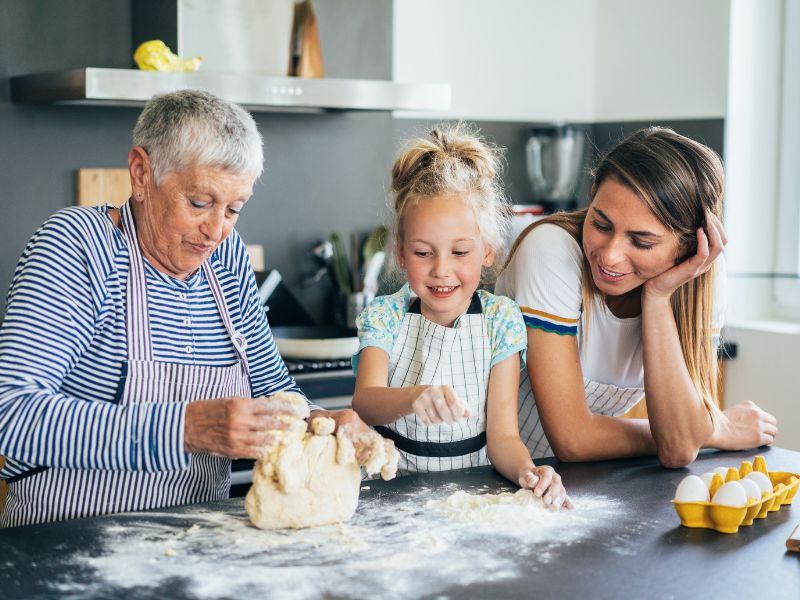
Grandparents often have skills developed through years of work, hobbies, and daily life. Spending time together gives them a chance to share that knowledge.
Your grandparent might know how to sew, garden, repair household items, play an instrument, knit, fish, or prepare traditional dishes.
Choose something they enjoy teaching
Ask what they would love to show you. Bring the necessary materials and allow plenty of time for practice.
You might make a small project together, such as planting herbs or sewing a simple item. The finished result becomes a reminder of your time together.
Let the learning go both ways
You can also teach your grandparent something useful. Show them how to organize phone photographs, use a video-call app, or listen to their favorite music online.
Be patient when explaining unfamiliar technology. Avoid taking over unless they ask for help.
7. Create a Family Memory Book

A family memory book brings photographs, stories, letters, and special moments into one place. Creating it together can be a meaningful project that continues across several visits.
Start with a notebook, scrapbook, or digital document. Add family photographs, handwritten memories, favorite sayings, and important dates.
Organize the book into sections
You could include childhood memories, family celebrations, favorite recipes, and important life lessons. Leave space for new stories that emerge later.
Make it a shared project
Invite your grandparent to choose the photographs and stories they want included. Let them correct names, dates, or details whenever needed.
You can continue adding pages during birthdays, holidays, and family gatherings. This makes the book a growing record rather than a one-time activity.
8. Watch a Favorite Movie or Listen to Music

Entertainment can bring generations together when you choose something everyone enjoys. Ask your grandparent about a favorite film, comedian, singer, or radio program.
You could watch an old movie, explore music from their younger years, or introduce them to a show you love.
Turn it into a shared experience
Prepare snacks, make everyone comfortable, and put phones away during the activity. Afterward, discuss your favorite scenes or songs.
Ask what the music reminds your grandparent of. A song might bring back memories of a wedding, friendship, or important time in their life.
Build a playlist together
Create a playlist featuring songs from different generations. Include your grandparent’s favorites and a few selections from your own life.
Play it during future visits or family gatherings. Over time, the playlist can become a familiar reminder of your connection.
9. Work on a Garden Together

Gardening is a relaxing activity that can give you something to nurture together. You do not need a large garden or expensive equipment to get started.
Plant flowers in containers, grow herbs on a windowsill, or help your grandparent care for existing plants. Ask which plants they enjoy and what they remember growing in the past.
Keep the activity comfortable
Choose lightweight tools and manageable tasks. Your grandparent can direct the activity, choose plants, or share gardening advice while you handle heavier work.
Celebrate the progress
Take photographs as the plants grow. Record the planting date and note any tips your grandparent shares.
Watching something grow together can give you a reason to reconnect regularly. You could return to water the plants or check for new flowers.
10. Share a Meal Without Distractions

Sometimes, the best way to spend quality time with your grandparents is sharing an ordinary meal. You do not need a birthday, holiday, or special announcement to sit together.
Prepare lunch, order their favorite food, or enjoy a simple snack at home. Let the conversation flow naturally instead of planning every moment.
Make the meal more meaningful
Ask about their week and share something interesting from yours. Discuss hobbies, family updates, or plans for an upcoming celebration.
Keep phones away whenever possible. Give everyone an opportunity to speak without interruptions.
Start a simple meal tradition
You could arrange Sunday breakfast, a monthly lunch, or afternoon tea after a regular activity. Choose something realistic for everyone’s schedule.
A predictable tradition gives you both something pleasant to anticipate. It also helps maintain your relationship during busier periods.
11. Explore Their Favorite Places

Ask your grandparents about places they enjoy visiting. Their favorite locations might include a local market, library, place of worship, park, museum, or familiar neighborhood.
A visit can reveal stories about their interests and experiences. You may also discover places you would never have considered visiting alone.
Plan around their preferences
Discuss the destination beforehand and check accessibility, transport, seating, and restroom availability. Choose a time when everyone feels comfortable going out.
Make room for spontaneous discoveries
Let your grandparent guide part of the visit. They might point out a familiar shop or explain how a neighborhood has changed.
Take photographs if they would enjoy keeping them. Afterwards, talk about the experience and decide whether you would like to return.
12. Celebrate Their Traditions and Culture

Family traditions help connect generations and preserve a sense of belonging. Your grandparents may remember celebrations, customs, sayings, songs, or recipes that younger relatives rarely experience.
Ask which traditions matter most to them. Then choose one you can enjoy together.
Bring a tradition into your routine
You might prepare a traditional meal, learn a family greeting, listen to cultural music, or help arrange a familiar celebration.
Ask your grandparent to explain the meaning behind each custom. Their perspective can help you appreciate its importance.
Keep traditions flexible
Not every tradition needs to remain exactly the same. You can preserve its meaning while adapting activities to everyone’s current needs.
Invite other family members to participate when appropriate. This can help younger relatives understand and continue traditions in their own way.
13. Do a Creative Project Together
Creative activities can help you connect while making something meaningful. You could paint, draw, knit, decorate a photo frame, make greeting cards, or assemble a simple craft.
Choose a project that suits your grandparent’s interests and comfort. It should feel enjoyable rather than like another task to complete.
Try a simple shared project
Gather your materials before starting. Work at a comfortable table and divide tasks according to everyone’s preferences.
You might create decorations for a family celebration or make handmade cards for relatives. The finished project can become a thoughtful gift.
Focus on the experience
Do not worry about producing something perfect. Enjoy the conversation and laughter that happen along the way.
Take a photograph of your finished work if everyone agrees. You can look back at it during a future visit.
14. Exercise Your Minds Together

Learning something new can make time together interesting and rewarding. You could solve crossword puzzles, read a book, practice a language, or explore a subject that interests you both.
The National Institute on Aging recommends enjoyable social activities as one part of healthy aging. Its guidance includes spending time with family and participating in meaningful hobbies.
Choose a topic you both enjoy
You might explore local history, learn about wildlife, or read short stories aloud. Let each person suggest topics and ask questions.
Share what you discover
Take turns explaining something interesting you learned. This keeps the activity interactive rather than turning it into a lesson.
Keep sessions relaxed and allow breaks. The goal is shared curiosity, not testing anyone’s memory or knowledge.
15. Look Through Family Documents and Heirlooms

Old letters, recipe cards, certificates, and treasured objects can tell fascinating family stories. Ask your grandparents if they would enjoy sharing a few meaningful items.
You might learn about a relative’s handwriting, a family celebration, or an object passed between generations.
Handle treasured items with care
Let your grandparent choose what to share. Ask before touching delicate documents or photographing personal items.
Write down the stories behind the objects if they wish. You can also organize digital copies with their permission.
Respect private memories
Some documents may contain sensitive information or difficult family history. Let your grandparent decide what should remain private.
Listening respectfully matters more than collecting every detail. The experience should strengthen trust rather than create pressure.
16. Stay Connected Through Video Calls and Messages

Distance does not have to prevent meaningful connection. Phone calls, video chats, voice messages, and photographs can help you stay involved in each other’s lives.
Choose a communication method your grandparent enjoys. Some people prefer a traditional phone call, while others like seeing familiar faces on video.
Make remote visits feel personal
- Schedule a regular call that suits both schedules.
- Share photographs from everyday activities.
- Ask about a project or story discussed previously.
- Read a short story or poem together.
- Celebrate birthdays and milestones during a video call.
Help with technology patiently
If your grandparent wants to learn a new app, explain one step at a time. Write down simple instructions they can refer to later.
Do not assume everyone wants to use digital tools. A phone call or handwritten letter can feel just as personal.
17. Create a Small Tradition Just for You Both

A shared tradition gives your relationship something familiar to return to. It does not need to be elaborate or expensive.
You might have a weekly phone call, take photographs together during visits, exchange handwritten notes, or share a favorite dessert every month.
Choose something realistic
Think about your schedules, location, energy, and budget. Select an activity that feels easy enough to continue over time.
Let the tradition change naturally
Your interests and circumstances may change as the years pass. Adjust the routine when necessary instead of treating it as an obligation.
The important part is maintaining a connection that feels meaningful to both of you.
How to Make Every Visit More Meaningful
Choosing an activity is only one part of spending quality time together. The way you show up can make an even bigger difference.
1. Give them your full attention
Put your phone away during conversations unless you are using it together. Make eye contact when comfortable and listen without interrupting.
Ask follow-up questions instead of quickly changing the subject. Small signs of interest can help your grandparent feel heard and appreciated.
2. Let them make choices
Ask what they would enjoy doing rather than planning every visit yourself. They might prefer a quiet conversation over a busy outing.
Respect their preferences, even when they differ from yours. Spending time together should feel enjoyable for both generations.
3. Avoid making every conversation serious
Not every visit needs to focus on health, family responsibilities, or important decisions. Talk about funny memories, favorite foods, hobbies, and everyday experiences.
Share jokes and enjoy comfortable silences, too. Sometimes, simply sitting together can feel more meaningful than planning a full afternoon.
4. Ask before offering help
Your grandparent may appreciate assistance with certain tasks but prefer independence in other areas. Ask what would be helpful instead of automatically taking over.
Offer choices and respect their decisions whenever possible. This helps preserve their dignity and sense of control.
5. Make room for different energy levels
Some days may be more tiring than others. Keep activities flexible and avoid packing too much into one visit.
A short conversation can still be meaningful. You can always continue an activity during your next visit.
What If Your Grandparents Live Far Away?
Living in different cities or countries can make regular visits difficult. Work, school, transport costs, and family responsibilities may also limit how often you meet.
Still, there are practical ways to maintain your relationship.
- Schedule regular calls: Choose a convenient time and make it part of your routine.
- Send voice messages: Share small updates when a long conversation is difficult.
- Exchange photographs: Show them your garden, recent projects, celebrations, or everyday moments.
- Share an activity remotely: Play a simple online game or watch the same film.
- Send handwritten letters: Include questions, memories, or a recent photograph.
- Plan future visits together: Discuss possible dates and activities without creating unnecessary pressure.
Consistency matters more than constant communication. A thoughtful message can help someone feel remembered, even when you cannot be physically present.
How to Spend Time With Grandparents Who Have Different Needs
Your grandparents may have mobility limitations, hearing difficulties, memory changes, or other needs that affect your plans. These circumstances do not prevent meaningful connection.
When mobility is limited
Choose comfortable activities at home, such as listening to music, sharing photographs, reading aloud, or preparing a simple meal together.
Ask about seating, room temperature, and breaks. Follow their preferences and any relevant care guidance.
When hearing is difficult
Reduce background noise and choose a quiet room for conversations. Face your grandparent while speaking, and ask what communication method works best.
Avoid shouting unless they prefer it. Speak clearly and give them time to respond.
When memory changes affect conversations
Focus on the feelings and connection within the moment. Familiar music, photographs, gentle activities, and comforting routines may help create enjoyable experiences.
Avoid correcting every forgotten detail. Follow your grandparent’s lead and seek professional guidance when you need support understanding their needs.
When they prefer quiet company
Some people enjoy calm visits more than energetic activities. Read together, sit outdoors, listen to music, or share a cup of tea.
You do not have to fill every silence. Your presence can be meaningful without constant conversation.
Why Spending Quality Time With Grandparents Matters
Meaningful time together can strengthen family relationships and create opportunities for learning across generations. Grandparents can share experiences, cultural knowledge, practical skills, and family memories.
Grandchildren can introduce new interests, share their everyday lives, and help grandparents feel included in family activities. These exchanges can benefit both generations when the relationship feels supportive and enjoyable.
Research on intergenerational activities has found potential benefits for older adults’ social engagement and well-being. Still, outcomes vary, and spending time together does not guarantee specific health benefits.
The goal is not to make every visit productive. It is to build a relationship where both people feel valued, respected, and connected.
Frequently Asked Questions
How often should I spend time with my grandparents?
There is no single schedule that works for every family. Choose a routine that fits everyone’s availability, preferences, and needs.
A regular short visit or phone call may be more manageable than occasional long visits. Consistency can help you maintain your connection.
What can I do with my grandparents at home?
You can cook, play games, look through photographs, listen to music, garden, or work on a craft. Choose activities that match their interests and energy levels.
Even sharing a meal or talking about childhood memories can make an ordinary afternoon meaningful.
How can teenagers spend quality time with grandparents?
Teenagers can teach grandparents about music, photography, or technology. They can also learn family recipes, play games, explore hobbies, or ask about family history.
The best activities allow both generations to share something about themselves.
What if I do not know what to talk about?
Start with simple questions about favorite foods, childhood memories, hobbies, or recent experiences. Ask about a photograph or object nearby.
You can also choose an activity that naturally creates conversation. There is no need to prepare a perfect list of questions.
How can I make grandparents feel appreciated?
Listen carefully, remember details they share, and include them in decisions about visits. Express gratitude for the time, stories, or support they offer.
Small gestures often feel more personal than expensive gifts. The most important thing is showing genuine care.
Final Thoughts
Learning how to spend quality time with your grandparents starts with something simple: making room for each other. You do not need elaborate plans, expensive outings, or hours of free time to strengthen your relationship.
Cook together, share old photographs, take a walk, or ask about a memory you have never heard before. If distance separates you, regular calls and thoughtful messages can still help you stay connected.
Most importantly, choose activities that respect your grandparents’ interests, comfort, and independence. Let them share their knowledge while making space for your own stories, too.
The moments that matter most are often ordinary ones. A familiar recipe, a shared laugh, or an unhurried conversation can become a memory you treasure for years.