How to Build Stronger Relationships Across Generations
Some links on this blog may contain affiliate links. If you make a purchase through one of these links, I may earn a small commission at no extra cost to you. Thank you for supporting The Connected Years!
Building stronger relationships across generations does not happen overnight. It grows through small moments, honest conversations, shared experiences, and a willingness to understand one another. Families bring together people with different ages, routines, memories, opinions, and expectations. Sometimes, those differences make connection feel difficult.
Younger family members may enjoy different activities, while parents and grandparents may prefer familiar routines. However, everyone can find meaningful ways to spend time together.
You do not need expensive outings or perfectly planned family gatherings to build closer relationships. A relaxed conversation over a meal, a shared hobby, or a simple phone call can make someone feel remembered and valued. Likewise, listening without rushing to correct someone can help family members feel comfortable sharing their thoughts. These everyday choices create trust and encourage stronger bonds.
If you want to feel closer to the people in your family, start with the time you already have. Ask questions about their experiences, invite them to share their interests, and look for activities everyone can enjoy. You can also spend quality time with your grandparents through simple visits, conversations, or shared traditions. Small efforts can open the door to deeper understanding.
In this guide, you will discover practical ways to build stronger relationships across generations. You will learn how to communicate with care, create meaningful family traditions, respect differences, and make shared time more enjoyable. Most importantly, you will find realistic ideas that help every generation feel included, appreciated, and connected, without making anyone feel pressured or left behind.
How to Build Stronger Relationships Across Generations
Help Your Children Build a Genuine Relationship With Their Grandparents

Many children see their grandparents during birthdays, Christmas celebrations, and occasional family visits. However, these meetings don’t always give them enough time to develop a close relationship.
If you want your children to have a meaningful relationship with Grandma and Grandpa, create opportunities for them to spend time together outside special occasions.
Start by arranging regular visits that allow everyone to relax. Instead of planning a packed schedule, let your children enjoy ordinary moments with their grandparents. They could bake together, play board games, water plants, watch cartoons, or prepare a favourite family meal.
You can also encourage grandparents to take an interest in their grandchildren’s everyday lives. For example, Grandma could ask about school, friendships, favourite games, and upcoming activities. Grandpa could ask about their hobbies, favourite sports, or recent achievements.
However, don’t expect children to develop an instant connection. Some children feel comfortable around older relatives immediately, while others need more time.
Give them opportunities to interact naturally. Avoid forcing hugs, conversations, or physical affection. Instead, help everyone feel comfortable around one another.
You could also establish a regular grandparent-grandchild activity. Perhaps Grandma picks the children up for Saturday baking, or Grandpa takes them for an afternoon walk.
These small experiences help children associate their grandparents with enjoyable memories. Eventually, they may start asking when they can visit again.
For more inspiration, explore these 17 meaningful ways to spend quality time with your grandparents. You can adapt the ideas to help your children enjoy more meaningful visits with Grandma and Grandpa.
Make Grandparents Part of Your Children’s Everyday Lives
Grandparents don’t have to wait for family celebrations before connecting with their grandchildren. In fact, ordinary interactions often create the strongest relationships.
As a parent, you can make this easier by including grandparents in suitable parts of your children’s everyday routines.
For example, invite Grandma to attend a school performance, sports competition, birthday celebration, or school exhibition. If Grandpa enjoys gardening, let your children help him plant flowers or vegetables during visits.
You could also encourage grandparents to participate in activities your children already enjoy.
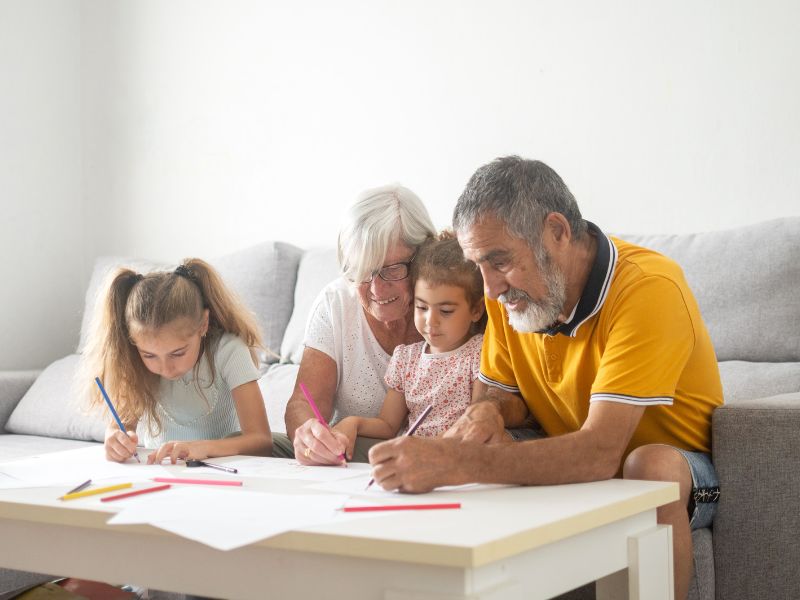
If your daughter loves drawing, arrange an afternoon when Grandma can draw with her. If your son enjoys football, invite Grandpa to watch a match together. When grandparents show genuine interest, children feel that their hobbies matter.
Another idea involves letting grandparents share their skills. They could teach grandchildren how to prepare a family recipe, play traditional games, make simple crafts, or care for plants.
You can make these experiences even more meaningful by allowing children to contribute. Let them choose the activity, ask questions, and share their own ideas.
However, remember that grandparents have their own schedules and interests. Discuss arrangements beforehand instead of assuming they can always participate.
Also, avoid making grandparents responsible for every childcare need. Their relationship with your children should include enjoyment, companionship, and affection beyond babysitting.
When you create opportunities for regular interaction, grandparents become familiar faces in your children’s everyday lives. That familiarity can help both generations feel more comfortable and connected.
Spend Quality Time With Your Own Parents Beyond Family Responsibilities

Becoming a parent can change your relationship with your own parents. Suddenly, conversations may revolve around school fees, childcare, family errands, and the grandchildren.
Although these discussions matter, your parents still deserve a relationship with you beyond their role as grandparents.
Make time to visit them without turning every visit into a childcare arrangement. You could invite them to lunch, prepare dinner together, visit a favourite restaurant, or spend an afternoon discussing everyday life.
You might also revisit activities you enjoyed before becoming a parent. Perhaps you once enjoyed shopping together, watching football, attending events, or preparing traditional meals.
These familiar activities can help you reconnect as adults.
Additionally, ask your parents about their interests and experiences. They may have hobbies, friendships, goals, and activities that you rarely discuss.
You can also ask about their childhood, early working years, family experiences, and important memories. These conversations help you understand your parents beyond the roles they played while raising you.
If you need inspiration, explore these 27 meaningful activities to do with your parents.
Remember that maintaining relationships requires consistency. A short weekly phone call, regular Sunday visit, or shared monthly lunch can make a difference.
You don’t need to wait until your parents request your attention. Sometimes, calling simply to ask how their day went communicates genuine love and interest.
Create Opportunities for Grandparents and Grandchildren to Spend Time Alone

Family gatherings are wonderful, but grandparents and grandchildren also benefit from individual time together.
When everyone gathers at once, conversations often happen between adults while children play separately. Consequently, grandparents may not get enough opportunities to know each grandchild personally. Consider arranging occasional one-on-one visits.
For example, Grandma could take one grandchild for breakfast while Grandpa spends an afternoon with another. They could visit a bookshop, enjoy ice cream, go shopping, or explore a local attraction.
These individual experiences allow children to talk more freely. They also give grandparents opportunities to discover each grandchild’s personality, interests, and preferences.
If your children have different ages, individual outings can work particularly well. A toddler might enjoy feeding ducks or visiting a playground, while a teenager may prefer lunch and conversation.
You can also encourage grandparents to plan activities around each child’s interests.
One grandchild might enjoy baking, another might love football, and another might prefer music or drawing. There is no reason everyone must enjoy the same activity.
However, discuss outings and expectations beforehand. Consider the child’s age, comfort, transportation, dietary needs, and any family arrangements.
You can also allow grandchildren to suggest activities. Their ideas may introduce grandparents to experiences they wouldn’t normally consider.
The goal isn’t to create competition between grandparents or grandchildren. Instead, give each relationship enough attention to develop naturally.
Help Your Children Connect With Older Aunts and Uncles
Grandparents aren’t the only older relatives who can contribute to a child’s life. Aunts and uncles can also become important people within their family.
However, children may only interact with these relatives during weddings, birthdays, Christmas gatherings, and other celebrations.
You can help build stronger relationships by encouraging regular interaction.
For example, invite an aunt or uncle to join your children for a shared activity. They could visit a park, attend a football match, prepare a meal, or work on a creative project together.
If your children enjoy particular hobbies, let their older relatives participate. An aunt who loves baking might enjoy teaching her niece to decorate cupcakes. An uncle who enjoys photography could introduce his nephew to taking pictures.
You can also encourage regular communication between visits. A short birthday message, occasional phone call, or photograph can help maintain familiarity.
For older children and teenagers, these relationships may develop through conversations about hobbies, school, careers, and future interests.
However, allow relationships to develop at a comfortable pace. Children should never feel pressured to become close to relatives simply because adults expect it.
Also, help older relatives understand your children’s personalities. Explain their interests, preferred activities, and communication styles when necessary.
These connections can give children more opportunities to experience family life beyond their immediate household.
Bring Different Generations Together Through Family Traditions

Family traditions create shared experiences that children, parents, and grandparents can enjoy together.
However, traditions don’t have to involve elaborate celebrations or expensive arrangements. Some of the most memorable activities happen through simple routines.
For example, you could introduce a monthly Sunday lunch at Grandma’s house. Everyone brings something to eat, children help arrange the table, and grandparents share stories while everyone enjoys the meal.
You could also create an annual family photograph tradition. Take pictures during birthdays, Christmas celebrations, or family outings. Over time, these photographs become a lovely record of how the family grows.
Other ideas include:
- Preparing a traditional family meal together every holiday.
- Organising a yearly family picnic.
- Celebrating birthdays with a special breakfast.
- Holding an annual family game night.
- Creating a shared family recipe book.
- Decorating the house together during Christmas.
- Planning a family outing every few months.
You can also involve grandparents in planning these activities. Ask which traditions they enjoyed growing up and whether they would like to introduce something similar.
For more ideas, explore these 29 family birthday traditions worth starting.
Christmas also provides an opportunity to bring different generations together. Children can decorate, grandparents can share family recipes, and parents can organise activities everyone enjoys.
This guide to planning Christmas activities across generations can help you create celebrations that include different ages.
Most importantly, keep traditions flexible. Your family may grow, relatives may move, and schedules may change. Adjust the activities rather than abandoning meaningful connections.
Encourage Grandparents to Share Family Stories With Younger Generations

Your children may know their grandparents as the people who visit, bring gifts, prepare delicious meals, and attend family celebrations.
However, they may know very little about their grandparents’ lives before becoming parents.
Encouraging grandparents to share their stories can help children understand their family history.
Start with simple questions. Ask Grandma what games she played as a child, what school looked like, or which meals she enjoyed growing up. Ask Grandpa about his first job, childhood friends, favourite music, and memorable experiences.
You can make these conversations more enjoyable by bringing out old photographs.
Let your children look through family albums and ask questions about the people and places they see. Grandparents can explain who appears in the pictures and share the stories behind special occasions.
Another idea involves recording short family interviews. Your children could prepare questions and take turns interviewing their grandparents.
You can also encourage grandparents to teach children something connected to family history. They might prepare a traditional dish, demonstrate a craft, or explain a family celebration.
However, allow grandparents to choose which stories they feel comfortable sharing. Not every family memory needs to become a conversation.
You can preserve these stories through photographs, handwritten notes, audio recordings, or a family scrapbook.
These experiences give children a stronger understanding of their roots. They also help grandparents feel that their experiences and memories matter to younger family members.
Keep Grandparents and Grandchildren Connected When They Live Far Apart

Not every family has the advantage of living close to grandparents. Work opportunities, relocation, marriage, and other circumstances can place relatives in different cities or countries.
Fortunately, distance doesn’t have to prevent meaningful relationships.
Start by establishing a communication routine that works for everyone. You could arrange a weekly video call, a regular phone conversation, or occasional voice messages.
For younger children, keep calls simple and engaging. Grandparents could read a short story, ask about a favourite toy, or show something interesting around their home.
Older children might enjoy discussing school, hobbies, friends, and upcoming activities. You can also create shared experiences from a distance.
For example, Grandma could read the same book as her granddaughter and discuss it during their next call. Grandpa could watch his grandson’s football match through a shared video or receive photographs after an important event.
Other ideas include sending postcards, sharing family recipes, exchanging drawings, and celebrating birthdays through video calls.
You could even arrange a virtual family movie night. Everyone watches the same film from their homes and discusses their favourite moments afterward.
For more inspiration, explore these 31 cozy family movie night ideas for kids and parents. You can adapt some activities for grandparents who live far away.
Most importantly, help children recognise that communication doesn’t always require a special reason. They can call Grandma to share exciting news or tell Grandpa about something funny that happened.
Regular contact helps distant relatives remain part of everyday family life.
Build Healthy Relationships by Respecting Different Parenting Choices

One challenge that can affect relationships across generations involves differences in parenting styles.
Your parents may have raised you differently from the way you raise your children. They might have different opinions about discipline, food, screen time, education, and household routines.
Although grandparents often offer advice with good intentions, disagreements can develop when everyone expects their preferences to take priority.
You can protect family relationships by having honest conversations about expectations.
Explain important household rules before your children visit their grandparents. Discuss allergies, bedtime routines, food restrictions, screen limits, and any other arrangements that matter.
At the same time, listen to your parents when they share their experiences. You may discover useful suggestions without feeling obligated to follow every recommendation. If disagreements arise, discuss them privately rather than arguing in front of the children.
Also, avoid putting children in the middle of disagreements between parents and grandparents. They shouldn’t feel responsible for choosing sides.
Grandparents should respect parents’ decisions, while parents should recognise that grandparents may have their own preferences and limitations.
Healthy relationships allow everyone to contribute without removing individual boundaries.
Make Family Gatherings More Welcoming for Older and Younger Relatives

Sometimes, generations struggle to connect because family gatherings don’t create enough opportunities for interaction.
Adults may spend the afternoon discussing work and family responsibilities, while children remain occupied with toys or electronic devices.
You can make gatherings more engaging by planning activities that encourage everyone to participate.
For example, organise a family cooking afternoon. Grandparents can share recipes, parents can prepare ingredients, and children can help with suitable tasks.
You could also arrange a family quiz using questions about childhood memories, favourite foods, family celebrations, and interesting experiences.
Another option involves a family board game afternoon. Choose games that different ages can enjoy, and create teams that mix children, parents, and grandparents.
If everyone prefers something quieter, arrange a relaxed picnic or outdoor lunch. Bring comfortable seating, favourite snacks, and simple conversation activities.
You can find more inspiration in this guide to planning a relaxing picnic with grandparents.
Also, pay attention to relatives who prefer smaller gatherings. Some grandparents may enjoy spending time with a few family members rather than attending large celebrations.
Don’t force everyone into the same activity. Give relatives different ways to participate comfortably.
The goal is to create an environment where everyone feels welcome and has opportunities to interact.
Make Time for Your Parents as They Grow Older

As your parents grow older, your family responsibilities may change. You might find yourself balancing work, children, household duties, and more frequent visits to your parents.
During this period, maintaining your relationship requires intentional effort.
Instead of limiting conversations to appointments and practical arrangements, continue sharing ordinary experiences.
Ask about their favourite programmes, friends, hobbies, meals, and plans. Invite them to join you for lunch or accompany you on a simple outing.
You could also involve them in family activities that match their interests and comfort.
For example, invite them to watch the children perform at school, attend a birthday celebration, or join a family meal.
However, remember that older parents may have their own schedules, preferences, and energy levels. Ask what they enjoy rather than assuming they want to participate in everything.
You can also explore activities that suit parents who prefer staying home. These ideas for spending time with parents who don’t like going out can help you plan enjoyable visits.
Most importantly, maintain a relationship that goes beyond responsibilities. Your parents still deserve laughter, conversations, companionship, and opportunities to enjoy being with you.
Final Thoughts
Building stronger relationships across generations starts with making time for the people who matter. It means helping your children know their grandparents and maintaining meaningful connections with your own parents.
It also means creating opportunities for older aunts, uncles, cousins, and other relatives to become part of your family’s everyday experiences.
You don’t need expensive outings or elaborate celebrations. Regular visits, shared meals, family traditions, phone calls, and simple activities can make a meaningful difference.
Start with one relationship that needs more attention. Arrange a visit, make a phone call, or plan something everyone can enjoy.
Over time, these small efforts can help your children develop lasting relationships with older relatives while bringing your entire family closer together.